Reading the Box: A Practical Guide to Understanding Turkish Medication Labels for American Travelers and Expats
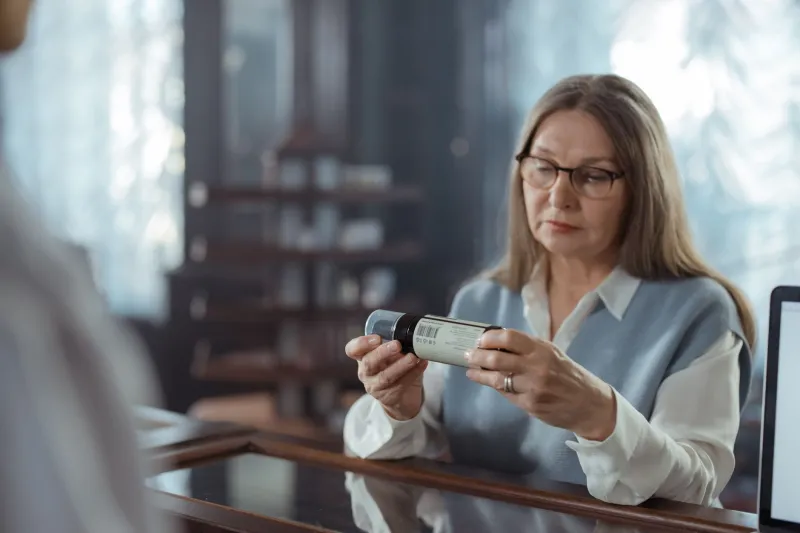
You have just left an Istanbul nöbetçi eczane at midnight with a small white box and a receipt you cannot fully read. The pharmacist explained the dosage in patient, clear terms, possibly in serviceable English, and you nodded with confidence. But now, back at your accommodation, you find yourself staring at a label that looks familiar in structure and entirely foreign in content.
This is a common experience for American travelers in Istanbul, and it is worth addressing methodically. Turkish medication packaging is not arbitrary or deficient—it reflects a coherent regulatory framework administered by the Turkish Medicines and Medical Devices Agency (TİTCK). But it differs from FDA-mandated American packaging in ways that matter for safe use. Understanding those differences is not merely an exercise in translation; it is an exercise in regulatory literacy.
The Structure of a Turkish Medication Label
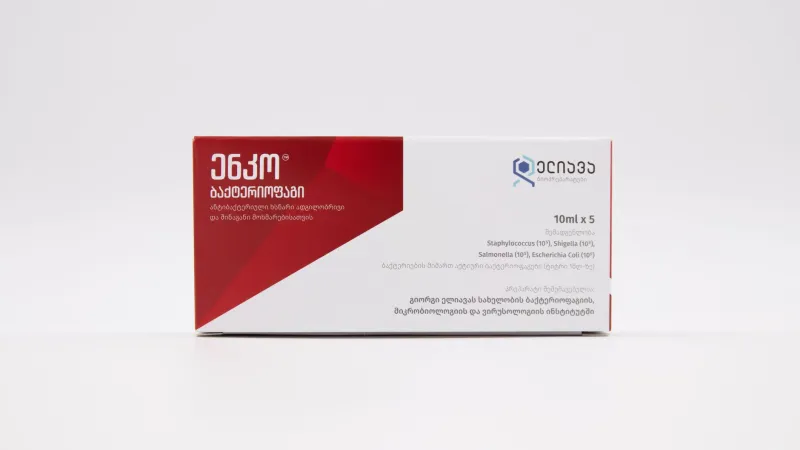
Turkish medication boxes are required to display several standard elements: the brand name, the generic (active ingredient) name in Turkish, the dosage strength, the pharmaceutical form (tablet, capsule, syrup, etc.), the manufacturer's name, the batch number, the expiration date, and the registration number assigned by TİTCK.
At a glance, this is not dramatically different from what Americans expect. The brand name is prominent, the active ingredient appears below it, and the dosage strength is clearly stated. The expiration date uses the European format—day/month/year rather than month/day/year—which is the most common source of misreading and worth noting explicitly before you assume a medication is expired.
The registration number, prefixed with "TR," serves a verification function: it confirms the product is licensed for sale in Turkey and can be cross-referenced with the TİTCK database if you have reason to question authenticity.
Dosage Instructions: Where the Differences Begin
American prescription labels are legally required to include explicit dosage instructions as written by the prescribing physician: how many tablets, how often, for how long, and often under what conditions (with food, with water, avoid alcohol, etc.). Over-the-counter American products carry similarly detailed consumer-facing directions on the outer packaging.
Turkish medication packaging often handles this differently. The outer box may carry only the most basic dosage information, with the full prescribing details contained in a package insert—a folded paper document included inside the box. This insert, called a "kullanma talimatı" (literally, "instructions for use"), is the Turkish equivalent of the American package insert and contains the comprehensive clinical information.
The practical implication: do not rely solely on the outer box to determine your dose. Open the box, locate the kullanma talimatı, and look for the section labeled "Nasıl kullanılır?" (How should it be used?) or "Doz ve uygulama şekli" (Dose and method of administration). If your Turkish is limited, the numeric information—tablet count, daily frequency, duration—is usually extractable without full language comprehension.
If you received the medication from a duty pharmacist who provided verbal instructions, those instructions take precedence over your independent reading of the insert. Write them down immediately after leaving the pharmacy while they are fresh.
Contraindications and Warnings: What May Be Less Prominent
FDA regulations require American drug manufacturers to present contraindications, warnings, and precautions in a standardized, hierarchical format that prioritizes the most serious risks. The "black box warning"—a bolded, bordered section at the top of a package insert—is a distinctly American regulatory tool with no direct Turkish equivalent.
Turkish package inserts do include contraindication information under the section "Kullanmayınız" (Do not use) and warning information under "Dikkatli kullanınız" (Use with caution). These sections are present and legally required, but they may not be formatted with the same visual urgency that American patients are trained to notice.
For Americans managing chronic conditions or known drug allergies, this formatting difference carries practical weight. If you are looking for a clear signal that a medication is contraindicated for your situation, you will need to read the relevant sections of the kullanma talimatı rather than scanning for a boxed warning that does not exist.
Side Effects: The "Yan Etkiler" Section
The side effects section of a Turkish package insert is labeled "Yan etkiler" and follows a structure similar to European regulatory standards, which categorize adverse effects by frequency: very common (çok yaygın), common (yaygın), uncommon (yaygın olmayan), rare (seyrek), and very rare (çok seyrek). These categories correspond to specific frequency thresholds defined by the European Medicines Agency, which Turkey's framework has substantially aligned with.
American package inserts use a similar frequency categorization in their formal prescribing information, though the consumer-facing labeling often presents side effects in plain language without explicit frequency data. The Turkish kullanma talimatı tends to preserve the frequency structure in its consumer-facing version, which is actually more informative for patients who know how to interpret it.
If you encounter a side effect listed as "çok yaygın," it occurs in more than one in ten patients. "Yaygın" means one in ten to one in one hundred. Understanding these thresholds helps calibrate concern appropriately.
What Turkish Labels Sometimes Omit—and What That Reveals
Some American travelers notice that Turkish packaging includes less consumer-oriented cautionary language than they are accustomed to. The extensive "ask your doctor before use" language that saturates American OTC packaging is less prevalent on Turkish equivalents. This reflects a genuine philosophical difference in how the two regulatory systems approach consumer autonomy.
American pharmaceutical labeling has been shaped heavily by litigation risk. The result is packaging that hedges comprehensively, sometimes to the point where warnings lose communicative value through sheer volume. Turkish regulatory philosophy, aligned more closely with European norms, tends toward more targeted labeling that assumes a baseline of patient and pharmacist judgment.
Neither approach is inherently superior. But Americans accustomed to extensive warning language should not interpret its relative absence on Turkish packaging as an indication that the medication is safer or less potent than a comparable American product. Read the kullanma talimatı for the information you need rather than inferring safety from packaging density.
A Practical Reference Checklist
Before using any medication obtained from an Istanbul duty pharmacy, confirm the following from the packaging and insert:
- Active ingredient (Etken madde): Verify this matches what the pharmacist described.
- Dosage strength: Confirm the milligram or percentage concentration.
- Expiration date (Son kullanma tarihi): Remember the day/month/year format.
- Dose frequency (Nasıl kullanılır / Doz): Cross-reference with verbal pharmacist instructions.
- Contraindications (Kullanmayınız): Scan for conditions or medications that apply to you.
- Side effects (Yan etkiler): Note any that warrant stopping use and seeking further care.
If the insert is entirely in Turkish and you need translation support, Google Lens provides reliable real-time translation of printed text and handles Turkish pharmaceutical terminology reasonably well for basic comprehension purposes.
The goal is not to become a pharmaceutical expert before your trip. It is to approach Istanbul's medication packaging with enough literacy to use what you receive safely—and to appreciate that the information you need is present, even when it is formatted differently than you expect.