Paying Out of Pocket at an Istanbul Eczane: A Practical Cost Guide for Americans Without International Coverage
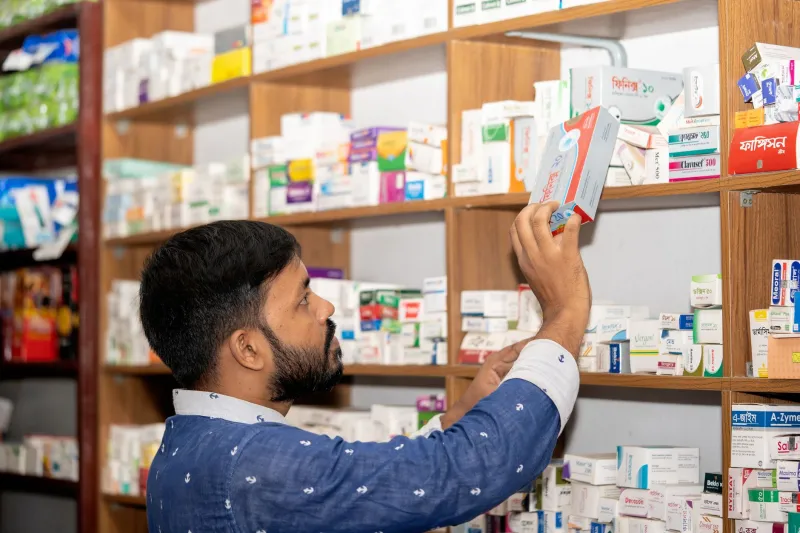
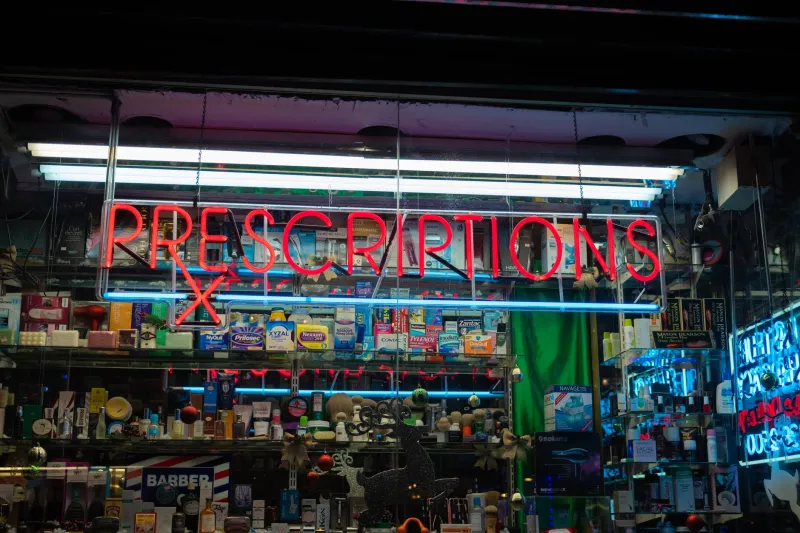
If you have ever paid $340 for a 30-day supply of a common blood pressure medication at an American pharmacy after your insurance lapsed, the experience of handing over the equivalent of $18 at an Istanbul eczane for the same active ingredient can feel faintly surreal. Not all medications are that dramatically cheaper, and the experience of navigating pharmacy costs without insurance in an unfamiliar country involves its own friction. But the broad pattern holds: Americans without international health coverage who find themselves at an Istanbul nöbetçi eczane are frequently paying less out of pocket than they would with insurance back home.
Understanding why this is true, what the actual numbers look like across different medication categories, and how to manage pharmaceutical spending strategically when you have no insurer to absorb costs—these are practical matters that affect a substantial number of Americans in Istanbul at any given time.
Why Turkish Medication Prices Are Structured Differently
Turkey's pharmaceutical pricing system is regulated at the national level. The government sets maximum retail prices for medications through a reference pricing mechanism that benchmarks Turkish prices against a basket of European countries with comparatively lower drug costs. This regulatory structure effectively caps what pharmacies can charge for any given product, regardless of whether the patient is presenting an insurance card or paying cash.
For Americans accustomed to a system in which the uninsured often pay dramatically more than insured patients for identical medications—because insurers negotiate rebates and discounts that are not passed on to cash payers—this is a meaningful structural difference. In Turkey, the uninsured American and the locally insured Turkish patient are typically paying the same price at the pharmacy counter. There is no separate "cash price" that is worse than the insured price; the regulated maximum is the regulated maximum.
This does not mean all medications are inexpensive. Branded medications without generic equivalents, specialty drugs, and some imported pharmaceuticals can carry prices that are meaningful even by American standards. But for the broad category of common medications—antibiotics, antihypertensives, anti-inflammatories, antihistamines, gastrointestinal drugs, and most over-the-counter products—Turkish retail prices are substantially lower than their American equivalents.
Real Cost Scenarios
To make this concrete, consider a few representative examples drawn from conversations with American expats and travelers in Istanbul.
A five-day course of amoxicillin, which might cost $15 to $40 at an American pharmacy depending on coverage status and location, typically runs the equivalent of $3 to $6 at an Istanbul eczane. A month's supply of a common generic antihypertensive that costs $30 to $60 out of pocket in the US is generally available in Turkey for $5 to $12. A 20-tablet pack of a standard antihistamine runs roughly $2 to $4.
For over-the-counter products, the savings are often less dramatic in absolute terms but still meaningful: a bottle of ibuprofen, a rehydration salt packet, a topical antifungal—these are all priced in a range that makes purchasing them without insurance a non-event financially.
The categories where cost becomes a more serious concern for uninsured Americans are branded medications with no available generic, certain specialty medications for chronic conditions, and any product that must be imported rather than manufactured domestically. In these cases, prices can approach or occasionally exceed what an insured American might pay in the US, and strategic planning matters more.
Navigating Costs Without an Insurance Card
For Americans who are in Istanbul without any insurance coverage—whether traveling between jobs, on a gap-year trip, or in the early months of an expat assignment before local coverage begins—a few practical approaches help manage pharmacy spending.
The first and most important is the generic-first approach. Turkish pharmacists are generally willing to discuss generic options when asked, and the active-ingredient-rather-than-brand-name habit described elsewhere on this site applies here too. Asking for the generic equivalent of a prescribed or recommended medication almost always produces a lower price, sometimes dramatically so.
The second approach is straightforward: ask. Turkish pharmacists are accustomed to patients who are price-conscious, and it is entirely normal to ask what a medication costs before agreeing to purchase it. There is no social awkwardness attached to price inquiry at an Istanbul eczane in the way that some Americans might feel asking about costs at a US pharmacy. The pharmacist will tell you the price, and if you indicate that you are looking for a less expensive option, they will typically offer alternatives if any exist.
A third approach, relevant for Americans managing ongoing prescriptions in Istanbul over a period of months, is to identify which medications are available without a local prescription and purchase them directly rather than incurring the cost of a physician consultation to obtain a Turkish prescription. Many medications that are prescription-only in the US are available over the counter in Turkey, and for stable chronic conditions where an American has an established diagnosis and medication history, this can represent significant savings. This approach requires a degree of self-knowledge about one's own conditions and medications, and it is not appropriate for every situation, but it is widely practiced among long-term expat residents.
When Costs Become a Genuine Problem
For Americans in Istanbul facing a medication need that is both expensive and essential—a specialty drug, an insulin regimen, a psychiatric medication without a widely available generic—the situation requires more deliberate navigation.
Some American expats in this position have found it worthwhile to consult with a Turkish physician rather than self-managing, both because the consultation itself is inexpensive by American standards (private clinic visits commonly run the equivalent of $30 to $80) and because a Turkish prescription can unlock access to the public pharmacy system through Turkey's SGK (Social Security Institution) if the individual has established local coverage.
For those without any local coverage and facing high medication costs, international patient advocacy organizations and some embassy resources can occasionally provide referrals to charitable or subsidized pharmacy programs, though these are more limited in scope than the robust duty pharmacy network itself.
The broader point, which emerges clearly from conversations with Americans who have managed their health in Istanbul without insurance for extended periods, is that the system is more navigable than it appears from the outside. The combination of regulated pricing, accessible pharmacists who function as genuine primary care resources, and a wide range of medications available without prescription creates an environment in which the absence of an insurance card is a much smaller obstacle than it would be in the United States.