Handle It Locally or Call Home? A Practical Decision Guide for Americans Navigating Health Concerns in Istanbul
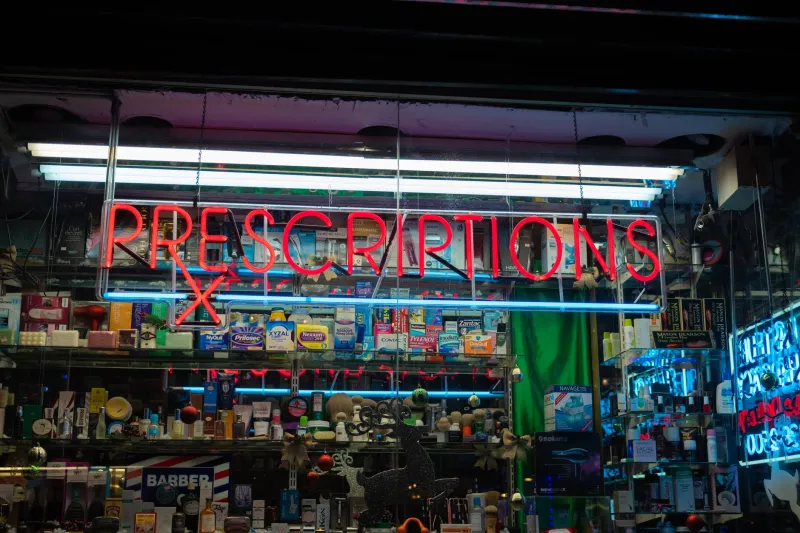
Most health concerns that arise during a visit to Istanbul do not require a transatlantic phone call to your doctor at home. But knowing which ones do—and which ones can be handled confidently at the nearest nöbetçi eczane—is a skill most Americans arrive without. The instinct to reach for the phone, to text a physician friend, or to spend an anxious hour on WebMD is understandable. It is also, in most cases, unnecessary. This guide is designed to give you a clearer framework before uncertainty makes the decision for you.
Why the Default to "Call Home" Costs You
The impulse to contact a US physician from abroad is driven by familiarity, not by medical logic. Your doctor at home does not have access to your current physical presentation, cannot examine you, and is working from a time zone that may be seven to ten hours behind Istanbul. What they can offer is reassurance and, occasionally, a prescription recommendation—but a duty pharmacist in Istanbul can offer the same reassurance with the added advantage of actually seeing you.
Beyond the practical limitations, there is a cost calculus. Telehealth consultations with US providers typically run between $50 and $150 for uninsured or out-of-network encounters. A consultation at an Istanbul nöbetçi eczane—including assessment, recommendation, and often the medication itself—will almost always cost less than the telehealth visit alone. The friction of calling home is not merely logistical; it is financial.
The framework below is organized by symptom category. It is not a substitute for medical judgment, and the guidance to seek physician care should always be taken seriously. But it is designed to help you distinguish between situations that genuinely require escalation and situations where Istanbul's duty pharmacy system is entirely adequate.
Gastrointestinal Complaints
Go to the nöbetçi eczane first if: You have diarrhea, nausea, vomiting, or stomach cramping that began within the last 48 hours, is not accompanied by high fever (above 39°C / 102.2°F), and is not producing blood in stool. Traveler's diarrhea is the single most common acute health concern among visitors to Istanbul, and duty pharmacists handle it routinely. Oral rehydration salts, appropriate antidiarrheal medications, and guidance on dietary management are all within standard duty pharmacy scope.
Consider physician contact if: Symptoms persist beyond 72 hours without improvement, fever is present and sustained, there is blood in stool or vomit, or you experience significant abdominal pain that is localized rather than generalized. These presentations warrant clinical evaluation that goes beyond pharmacy scope.
The 72-hour rule: If a gastrointestinal complaint has not meaningfully improved within three days of appropriate pharmacy-directed management, that is your escalation signal—regardless of the initial presentation.
Respiratory Symptoms
Go to the nöbetçi eczane first if: You have a sore throat, mild congestion, cough, or cold symptoms without fever or significant difficulty breathing. Duty pharmacists are well-positioned to assess whether symptoms suggest viral upper respiratory infection—which resolves without antibiotics—or a presentation that warrants further evaluation. They can recommend appropriate symptomatic relief and will tell you clearly if the presentation suggests something more serious.
Consider physician contact if: You develop high fever alongside respiratory symptoms, experience shortness of breath or chest tightness, produce colored or blood-streaked sputum, or have an underlying respiratory condition (asthma, COPD) that is destabilizing. These are not pharmacy-resolution scenarios.
A note on antibiotics: Many Americans traveling abroad attempt to obtain antibiotics at the first sign of respiratory illness. Istanbul duty pharmacists will assess your presentation and may decline to recommend an antibiotic if the symptom profile is consistent with viral illness. This is not obstruction—it is clinical judgment, and it is correct.
Skin Concerns
Go to the nöbetçi eczane first if: You have a rash, minor allergic skin reaction, insect bite reaction, mild sunburn, or a small wound requiring cleaning and dressing. Duty pharmacists can visually assess skin presentations and recommend appropriate topical treatments. For allergic reactions that are localized and not progressing, they can recommend antihistamines and topical relief.
Consider physician contact if: A rash is spreading rapidly, accompanied by fever, or affecting the face and throat. Any sign of anaphylaxis—throat tightness, difficulty swallowing, facial swelling—is an emergency requiring immediate hospital-level care, not a pharmacy visit.
Musculoskeletal Pain
Go to the nöbetçi eczane first if: You have muscle soreness, minor joint pain, or soft-tissue discomfort from walking, travel, or minor strain. Pain management options available at Istanbul duty pharmacies include formulations and dosages that may not be available over the counter in the United States, and a pharmacist can help you select an appropriate option.
Consider physician contact if: Pain follows a significant fall or impact, you cannot bear weight on a limb, there is visible deformity, or pain is severe and unresponsive to standard analgesics within 24 hours.
Managing Chronic Condition Medications
This is the category where Americans most frequently overcomplicate the decision. If you have run short on a maintenance medication—blood pressure, thyroid, diabetes management, or similar—a duty pharmacist can often help you bridge the gap. Turkish pharmacists are familiar with international medication equivalents, can identify the Turkish-market version of your medication, and can advise on a short-term supply.
The important caveat: bring your original packaging or a clear photograph of your US prescription label. The pharmacist needs the active ingredient name, dosage, and frequency. The brand name alone may not translate. If you are managing insulin or other medications with narrow therapeutic windows, discuss the transition with the pharmacist carefully and contact your US provider for dosage confirmation if any formulation difference exists.
Building Confidence Before You Need It
The most effective thing you can do before any health concern arises is locate the nearest nöbetçi eczane to your accommodation and note the district's duty schedule. The second most effective thing is to carry a written list of your current medications with generic names and dosages—not just brand names.
With those two preparations in place, the decision framework above becomes considerably easier to apply. The nöbetçi eczane system in Istanbul is not a fallback option or a compromise. For the majority of acute health concerns that affect travelers, it is the most appropriate first resource available—staffed by trained clinicians, accessible at any hour, and operating within a pricing structure that will not compound your stress with a bill you weren't expecting.
Knowing when to use it confidently is, itself, a form of travel preparation.