Ten Minutes, No App Required: The Clinical Skills Istanbul's Duty Pharmacists Use That Telemedicine Still Can't Replicate
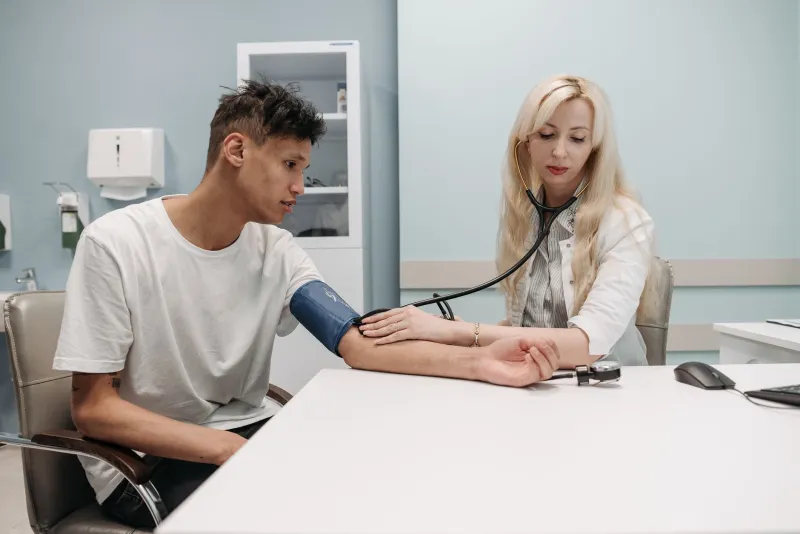
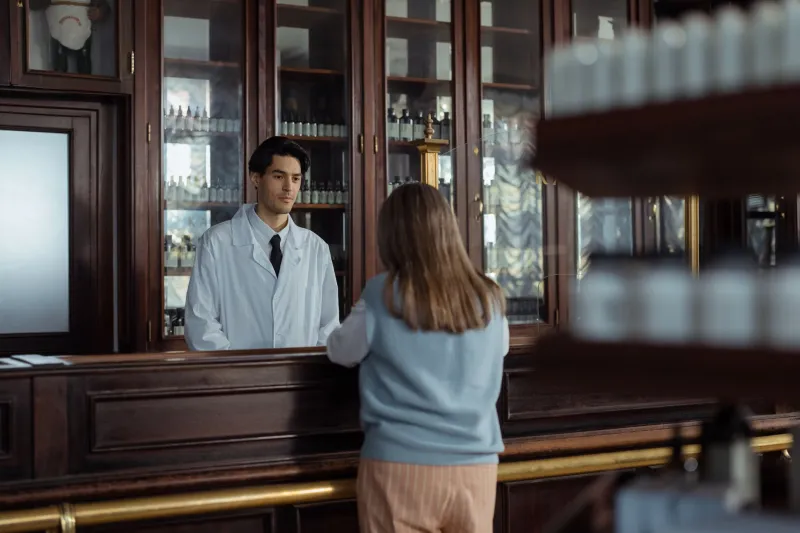
At 11:30 on a Tuesday night in Beşiktaş, a 44-year-old American consultant walked into a nöbetçi eczane complaining of what he described as a "weird pressure" behind his sternum. He had already opened his telemedicine app twice on the taxi ride over, only to be placed in a virtual waiting queue. The duty pharmacist took one look at him, asked three targeted questions, and reached for the blood pressure monitor before he had finished his second sentence.
His systolic reading was 178. He was referred to the nearest emergency department within four minutes.
This kind of rapid, physical triage is not exceptional in Istanbul's duty pharmacy network—it is routine. And for Americans accustomed to either paying $150 for an urgent care visit or waiting in a digital queue for a physician who cannot see, hear, or touch them, understanding what Istanbul's eczane pharmacists actually do in those first ten minutes may fundamentally change how you approach after-hours health concerns while in Turkey.
What Turkish Pharmacy Training Actually Covers
To understand the clinical capacity of a Turkish duty pharmacist, it helps to start with the educational foundation. Pharmacy programs at Turkish universities run for five years and include substantial clinical rotations. Graduates are not simply trained in dispensing and drug interaction protocols—they receive structured instruction in patient assessment, including basic physical examination principles, differential diagnosis frameworks, and triage methodology.
This is meaningfully different from the American pharmacy training model, which, while rigorous in its own right, tends to emphasize dispensing accuracy, pharmacokinetics, and counseling on medication adherence. Turkish pharmacists, by contrast, are trained to function closer to the front line of primary care—a reflection of a healthcare system in which pharmacies have historically absorbed significant patient volume that might otherwise flow to overburdened clinics.
The result, visible in any busy nöbetçi eczane on a weekend night, is a professional who can move fluidly between explaining drug interactions and conducting a preliminary clinical assessment.
The Equipment Behind the Counter
A well-stocked Istanbul duty pharmacy is not simply a shelf of medications with a register in front. Most nöbetçi eczane locations maintain a practical suite of diagnostic tools that would be recognized in any primary care setting.
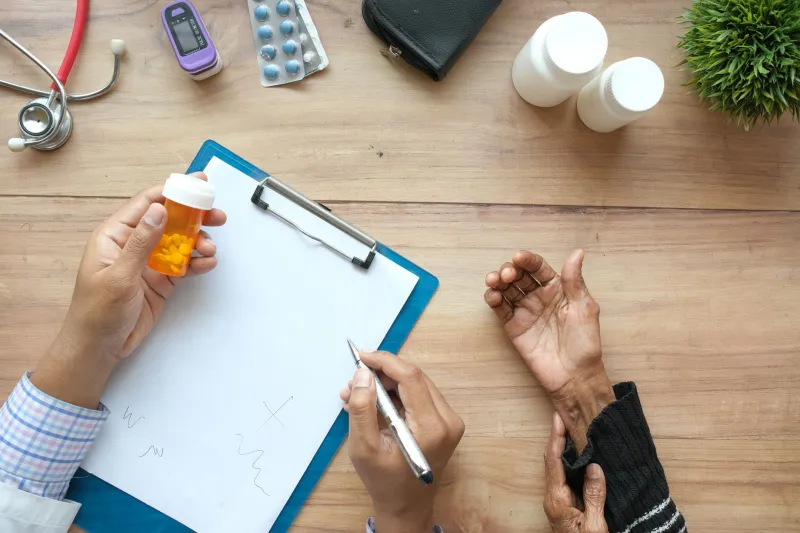
Blood pressure monitors—both manual sphygmomanometers and automated cuffs—are standard. Pulse oximeters are widely available and routinely used. Blood glucose meters allow rapid assessment of patients presenting with dizziness, confusion, or fatigue. Many pharmacies stock otoscopes for ear examinations and thermometers as a matter of course. Some pharmacies in higher-traffic neighborhoods have added basic urine dipstick testing to their triage toolkit.
Crucially, pharmacists know how to use this equipment in context. A pulse oximetry reading of 94% means something different in a 28-year-old tourist with a mild cough than it does in a 65-year-old with a history of COPD, and experienced duty pharmacists apply that clinical reasoning in real time.
Symptom Patterns and the Art of Differential Triage
Perhaps the most underappreciated skill Istanbul's duty pharmacists develop is pattern recognition—the ability to hear a cluster of symptoms and construct a working differential diagnosis quickly enough to direct the patient appropriately.
Consider a common scenario: an American traveler presents with three days of diarrhea, mild fever, and cramping. A telemedicine app, working from a typed symptom checklist, will typically generate a broad differential and recommend hydration, possibly prescribing a general antibiotic. A duty pharmacist conducting a face-to-face assessment can evaluate hydration status visually (skin turgor, mucous membrane moisture, affect), ask targeted questions about food history and travel itinerary within Istanbul, assess the character and timing of the fever, and distinguish between a straightforward traveler's diarrhea case manageable with oral rehydration salts and a presentation that warrants referral.
Several pharmacists working in Istanbul's busier districts describe the most frequent misdiagnoses they encounter as arriving not from physicians, but from self-diagnosis via symptom-checker applications. Patients present having already decided they have one condition, having perhaps even ordered a medication online, when the physical presentation suggests something considerably different.
"The app cannot smell the patient's breath," one senior pharmacist working in Kadıköy noted in conversation. "It cannot see whether they are holding themselves differently, whether one side of their face looks slightly different from the other. These things take thirty seconds to observe and they change everything."
Where Telemedicine Genuinely Falls Short
This is not an argument against telemedicine as a concept. For medication refills, follow-up consultations, and management of stable chronic conditions, remote consultation platforms offer real value—particularly for Americans traveling internationally who need continuity with their domestic care team.
But telemedicine has structural limitations that become acute in after-hours, unfamiliar-environment situations. The physician on the other end of the app cannot examine you. They are working entirely from patient-reported symptoms, which are filtered through anxiety, language, and the patient's own medical knowledge. They cannot take your blood pressure, assess your respiratory rate, or note that the rash on your forearm has a specific morphology that changes the working diagnosis entirely.
More practically: in Istanbul, a telemedicine consultation with a US-based physician produces a US prescription that Turkish pharmacies cannot fill. The consultation may provide reassurance or guidance, but it cannot translate directly into medication access. The duty pharmacist who assesses you in person can, within their scope of practice, both identify what you likely need and dispense it immediately.
Knowing When to Refer—and Doing It Quickly
One of the most valuable functions Istanbul's duty pharmacists perform is recognizing the boundary of their own scope and acting on it without hesitation. The Beşiktaş case that opened this article is illustrative: the pharmacist did not attempt to manage a potential hypertensive emergency. He identified it, communicated its seriousness clearly, and directed the patient to appropriate care within minutes.
This rapid-referral function is something telemedicine apps struggle with. A physician conducting a remote consultation who suspects a serious condition can advise a patient to seek emergency care, but they are working against the patient's natural reluctance to believe the situation is serious enough to warrant a hospital visit. The duty pharmacist, standing in front of the patient with a blood pressure reading in hand, can make that case with physical evidence.
For Americans in Istanbul—whether traveling for a week or living in the city long-term—understanding this capacity changes the calculus of after-hours health decisions. The nöbetçi eczane is not a fallback option for when you cannot reach a doctor. In many situations, it is the more capable first stop.