Hunting for a Nöbetçi Eczane at 3 AM Across Five Istanbul Neighborhoods: An Honest Account
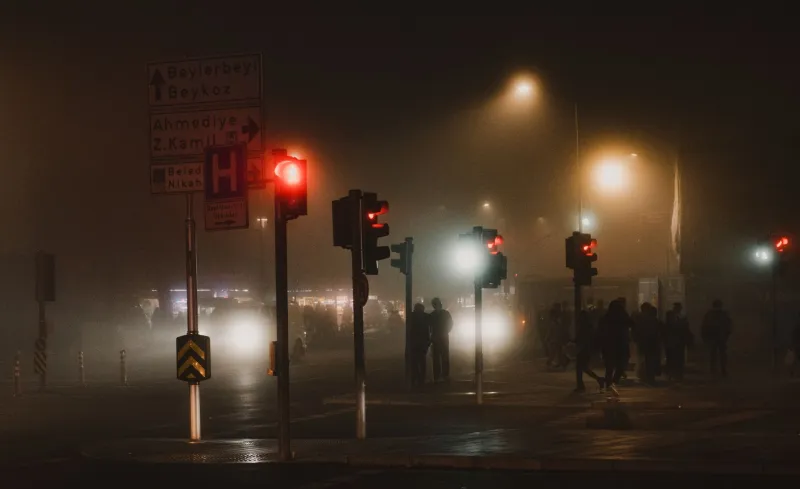
There is a particular quality to needing a pharmacy at three in the morning in a city that is not your own. The urgency is real, the landmarks are unfamiliar, and whatever confidence you brought to the trip has largely evaporated. Istanbul's nöbetçi eczane system — a rotating duty framework that ensures at least one pharmacy per district remains open around the clock — is genuinely designed for exactly this situation. But the system's design and the on-the-ground reality of navigating it at 3 AM are two different things entirely.
What follows is an account of five separate late-night pharmacy searches across distinctly different Istanbul neighborhoods. The goal was not to evaluate any individual pharmacy but to give American travelers an honest picture of what the experience actually looks like — the signage, the staff, the accessibility, the surprises — across the city's varied urban fabric.
Sultanahmet: Tourist Infrastructure, Manageable Chaos
Sultanahmet is where most first-time visitors to Istanbul anchor themselves, and it shows. The neighborhood around the Blue Mosque and Hagia Sophia is dense with hotels, restaurants, and the infrastructure of mass tourism. Finding the duty pharmacy here was, relative to other districts, the least stressful of the five attempts.
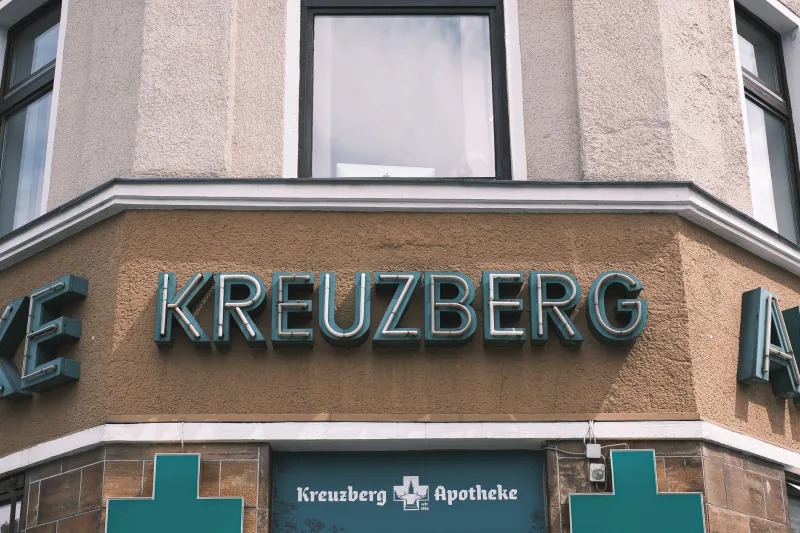
The nöbetçi eczane was identified through a combination of the official Istanbul duty pharmacy lookup — accessible via the Turkish Pharmacists' Association website, which loads reliably on a mobile browser — and a brief inquiry at the hotel front desk, where the night staff produced the address without hesitation. The pharmacy itself was located on a side street about a ten-minute walk from the main tourist corridor, marked by the standard illuminated green cross that Turkish pharmacies use universally.
The staff member on duty spoke workable English — not fluent, but sufficient for a clear exchange about symptoms and medication needs. The product range was solid for a neighborhood pharmacy: analgesics, antihistamines, antidiarrheals, topical treatments, and several prescription-equivalent items available without a prescription under Turkish regulations. The interaction was efficient and unhurried, which was not what I expected at that hour.
Practical note: In Sultanahmet, your hotel's night staff is often the fastest path to a duty pharmacy address. Do not underestimate this resource.
Beyoğlu: Bright and Loud, Surprisingly Easy
Beyoğlu — the district that encompasses İstiklal Avenue, Taksim Square, and the surrounding nightlife corridors — presents a different challenge at 3 AM. The neighborhood is not asleep; it is loud, crowded in sections, and disorienting if you are not familiar with its layered geography of pedestrian streets and steep side alleys.
Locating the duty pharmacy here required more navigation than Sultanahmet but less time than I anticipated. The green cross was visible from a main street, which helped considerably. What distinguished this location was the volume of foot traffic even at that hour — the pharmacy was not serving only distressed tourists. Local residents, people leaving nearby bars and restaurants, and a few individuals who appeared to be shift workers all passed through during the roughly fifteen minutes I was present.
The pharmacist on duty was brisk but not unfriendly. English was functional rather than fluent. The medication stock was noticeably more comprehensive than Sultanahmet — a larger floor plan meant a wider range of products — and the pharmacist was willing to spend time explaining dosage and contraindications for the item I inquired about.
Practical note: In Beyoğlu, the duty pharmacy can be genuinely busy even at 3 AM. Expect a brief wait and bring patience.
Kadıköy: The Residential Reality Check
Crossing to the Asian side of Istanbul changes the character of the city in ways that are difficult to articulate but immediately felt. Kadıköy is a residential and commercial district with a strong local identity — less tourist infrastructure, more neighborhood texture. Finding the duty pharmacy here was the most instructive experience of the five.
The official lookup tool provided an address, but the street-level signage in this part of the district was less prominent than on the European side. The green cross was present but positioned in a way that required knowing roughly where to look. A resident I asked for directions — using a translation app — was immediately helpful and walked me partway to the pharmacy without being asked.
The pharmacist here spoke very limited English, which required more deliberate communication. The translation app was essential. What was notable was the pharmacist's patience: despite the language gap, she took time to understand the question, consulted a reference text, and provided a clear answer through a combination of gestures, written notes, and the app. The product range was adequate for common acute needs.
Practical note: On the Asian side, download a translation app before you need it. The official duty pharmacy lookup works in both languages. Consider screenshot-saving the address before you leave your hotel.
Şişli: Efficient and Institutional
Şişli is a mixed commercial and residential district with a significant healthcare infrastructure presence — several major hospitals are located here, which has an observable effect on the surrounding pharmacy ecosystem. The duty pharmacy in this district felt more clinical in character than the others: well-stocked, efficiently run, and staffed by a pharmacist who communicated in precise, measured English.
The location was easy to find — on a well-lit main street, with signage that was visible from a meaningful distance. The transaction here was the most straightforward of the five. The pharmacist asked focused questions, provided clear guidance, and had the medication ready quickly. There was no sense of improvisation; this felt like a system functioning exactly as intended.
The stock here was the most comprehensive I encountered across all five locations, likely reflecting the neighborhood's proximity to hospital infrastructure and the resulting higher demand for pharmaceutical products.
Practical note: If you are in central Istanbul and need a duty pharmacy with high stock reliability and English-language capacity, Şişli is worth the trip if the distance is manageable.
Fatih: The Most Challenging, and the Most Illuminating
Fatih is a conservative, historically dense district on the European side, less frequented by international tourists and more reflective of Istanbul's traditional urban character. Finding the duty pharmacy here at 3 AM was the most demanding of the five experiences — and the most instructive about the system's genuine reach.
The address from the lookup tool was accurate, but the streets in this part of Fatih are narrow, the lighting uneven, and the signage on the pharmacy building itself was modest. It took two wrong turns and a second inquiry — this time with a man walking a dog, who responded with immediate helpfulness despite having no English — before the pharmacy came into view.
The pharmacist spoke no English. Communication required full reliance on a translation app, written notes, and considerable goodwill on both sides. What emerged from that slightly awkward interaction was something genuinely useful: the pharmacist was knowledgeable, careful, and clearly committed to being helpful despite the barriers. She declined to dispense one item I asked about without more information and explained why — through the app — in terms that made clear she was applying professional judgment rather than simply refusing.
Practical note: In less tourist-adjacent districts, the duty pharmacy system works — but it demands more preparation from the traveler. Have your symptoms, medication names (generic and brand), and allergy information written down in Turkish before you go. Google Translate's camera function is your best tool here.
What These Five Searches Collectively Reveal
The nöbetçi eczane system is real, functional, and genuinely designed to serve people in urgent need at any hour. But it is not uniform. The experience of accessing it varies substantially based on district, proximity to tourist infrastructure, and the specific pharmacist on duty. American travelers who prepare — who know how to use the official lookup tool, who have translation resources ready, and who carry basic medical information in written form — will navigate it far more effectively than those who arrive unprepared.
The system asks something of the person using it. In return, it delivers access to professional pharmaceutical care at hours when most American cities offer nothing comparable. That is a trade worth making.