Zero-Dollar Triage: Why Istanbul's Duty Pharmacists Handle What American Urgent Care Charges You $300 to Diagnose

The Waiting Room Nobody Wants to Be In
It is 11 PM on a Tuesday. You have developed what feels like a urinary tract infection — that familiar, urgent discomfort that has interrupted your sleep and your plans. In most American cities, your options are limited: wait until morning for your primary care physician, drive to an urgent care clinic that will charge between $150 and $350 before insurance, or sit in an emergency room for three hours surrounded by far more serious cases. None of these options feel proportionate to the problem.
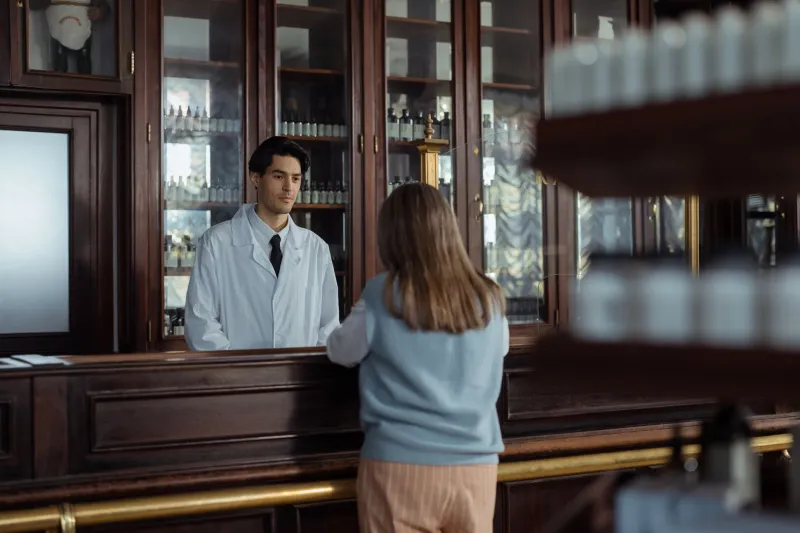
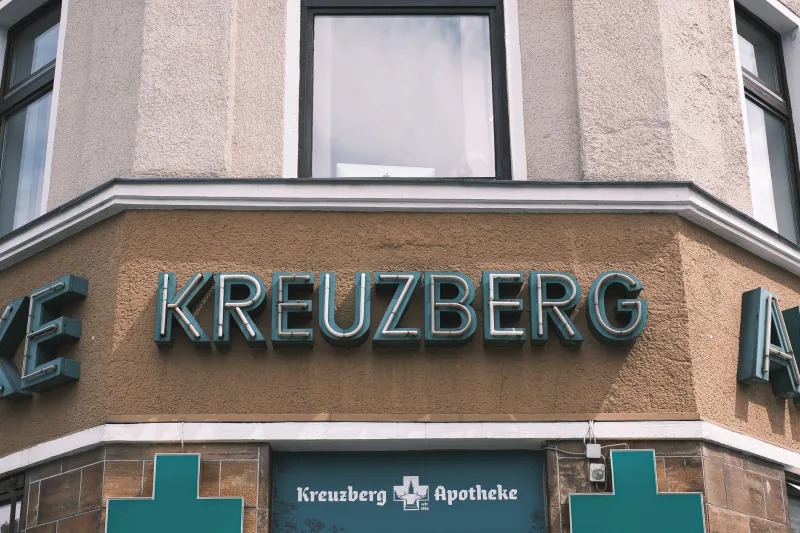
Now consider the same scenario in Istanbul. You locate the nearest nöbetçi eczane — the city's rotating duty pharmacy, operating around the clock — and walk through the door. Within minutes, a licensed pharmacist asks about your symptoms, reviews your medication history if relevant, and either recommends an over-the-counter treatment or advises you clearly on whether a physician visit is genuinely necessary. The consultation costs nothing. The pharmacist's time is simply part of the service.
This is not a hypothetical. It is a routine feature of Istanbul's healthcare infrastructure, and it raises an uncomfortable question for Americans accustomed to paying heavily for after-hours care: what exactly are we paying for?
What Turkish Pharmacists Are Actually Trained to Do
The gap between a Turkish eczacı and a typical American retail pharmacist is not merely cultural — it is structural and educational. Turkish pharmacy programs are five-year university degrees that include substantial clinical training in patient counseling, differential symptom assessment, and first-line therapeutic recommendations. Graduates are not simply dispensers of pre-prescribed medications. They are trained diagnosticians for a defined scope of common, non-emergency conditions.
This professional identity is reinforced by Turkey's broader healthcare architecture. General practitioners are accessible and inexpensive, which means pharmacists are not competing with physicians for patient volume — they are functioning as a complementary first filter. When a patient arrives at a nöbetçi eczane with a complaint that falls within a pharmacist's clinical scope, the expectation is that the pharmacist will engage meaningfully, not simply direct the patient elsewhere.
In the United States, pharmacists hold doctoral-level degrees and are arguably more clinically trained than the public gives them credit for. The limitation is not education. It is the regulatory and reimbursement environment that has historically confined American pharmacists to a dispensing role rather than a consultative one.
Three Scenarios, Two Systems
A suspected UTI. In the US, this almost always requires a physician visit to obtain a prescription for antibiotics, even though the symptoms are highly recognizable and the first-line treatment is well-established. In Istanbul, a duty pharmacist can assess the symptom profile, recommend appropriate over-the-counter analgesics for immediate relief, and advise clearly on whether antibiotic therapy is warranted — and in some cases, facilitate access to it through mechanisms that do not require a prior appointment. The difference in time, cost, and patient experience is substantial.
A bad allergic reaction. A traveler develops hives and facial swelling after a meal. In the US, the instinct — and often the correct one — is to go directly to an emergency room, partly because after-hours access to any other clinical resource is so limited. In Istanbul, a nöbetçi eczane pharmacist can immediately assess severity, administer or dispense appropriate antihistamines, and make a rapid, informed judgment about whether emergency escalation is necessary. The duty pharmacy functions as a genuine triage point, not a waiting room anteroom.
A sprained ankle. This is perhaps the most illustrative example of systemic inefficiency. In the United States, a mildly sprained ankle sustained during evening hours frequently results in an urgent care visit — not because the patient needs imaging or surgery, but because there is no accessible professional who can examine it, confirm it is not fractured, and recommend appropriate home management. An Istanbul pharmacist, trained in musculoskeletal basics and comfortable with clinical observation, can often provide exactly this guidance. The patient leaves with an elastic bandage, an anti-inflammatory recommendation, and a clear threshold for when to seek further care. Total out-of-pocket cost: the price of the bandage.
The Economics of Inaccessibility
American urgent care has grown into a multi-billion dollar industry in part because it fills a gap that a better-designed system would not have. When primary care is difficult to access after hours and pharmacists are legally and culturally constrained from offering clinical guidance, patients have nowhere else to go. Urgent care clinics are not the problem — they are the entrepreneurial response to a structural failure.
The nöbetçi eczane system does not eliminate the need for physicians. It simply ensures that the patients who arrive at physician-level care genuinely need it. This is both more humane and more economically rational. Emergency rooms are not overwhelmed with UTI consultations. Urgent care queues are not backed up with patients who needed a five-minute pharmacist conversation.
What Would It Take to Change?
Replicating Istanbul's model in the United States would require changes on at least three levels. First, regulatory frameworks in most states would need to expand pharmacist prescribing authority — something that has begun in limited forms, particularly around hormonal contraception and certain antibiotics, but remains far from universal. Second, reimbursement structures would need to recognize and compensate pharmacist consultations, creating a financial incentive for the expanded role rather than making it an uncompensated burden. Third, and perhaps most difficult, the cultural relationship between American patients and their pharmacists would need to shift — from transactional to clinical.
None of this is impossible. Several US states are already piloting expanded pharmacist authority models with promising results. The infrastructure exists. The training exists. What has been lacking is the political will to reorganize a system in which the current inefficiency is, for some stakeholders, enormously profitable.
For American travelers and expats in Istanbul, the nöbetçi eczane is often a revelation — not because the pharmacists are miraculous, but because the system simply allows them to do what they were trained to do. That is a modest standard. It should not feel as remarkable as it does.