How Ten Long-Term American Expats in Istanbul Completely Rebuilt Their Medicine Cabinets—and Never Looked Back
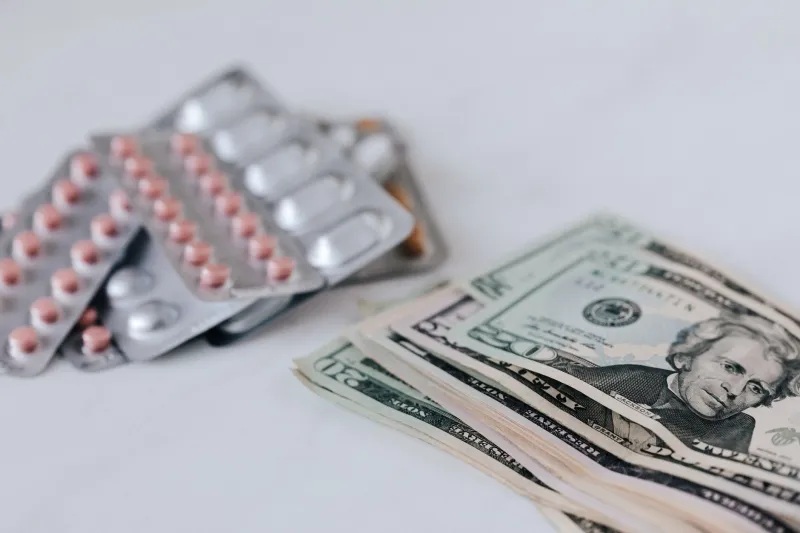
When Americans first arrive in Istanbul, many treat their luggage like a rolling pharmacy. Familiar brand names, backup supplies of prescription medications, and enough over-the-counter remedies to weather a minor apocalypse. It is, in many ways, a rational response to the anxiety of navigating an unfamiliar healthcare system in a foreign country.
But ask someone who has lived here for three, five, or ten years what is actually in their medicine cabinet, and you will hear a very different story.
We spoke with ten long-term American residents across Istanbul—from Beşiktaş to Kadıköy, from Beyoğlu to Bağcılar—about how their pharmaceutical habits evolved after sustained exposure to the Turkish pharmacy system. Their answers were remarkably consistent, and remarkably instructive.
The Great Shedding: What They Stopped Importing
Almost universally, the first thing these expats abandoned was the habit of stockpiling American brand-name medications. Sarah, a university lecturer who has lived in Şişli for seven years, put it plainly: "I used to mail-order three months of Tylenol PM at a time. Now I find it almost embarrassing to think about. The Turkish equivalent is cheaper, equally effective, and available at any nöbetçi eczane at two in the morning."
Ibuprofen, antihistamines, antacids, and topical antiseptics were the most commonly cited categories. American expats had discovered that Turkish generic equivalents—manufactured to European regulatory standards—performed identically to the name-brand products they had been loyally purchasing for decades back home.
David, a financial consultant in Levent who has lived in Istanbul for nearly a decade, described the moment his perspective shifted: "I had a bad allergic reaction one evening and walked into the nearest duty pharmacy without my usual Benadryl. The pharmacist recommended Aerius—desloratadine—and explained the dosing clearly in enough English to reassure me. It worked better than what I'd been using. That was the turning point."
The Turkish Staples They Now Swear By
Ask any of these ten expats what they keep on hand, and several product categories emerge with striking frequency.
Majezik (flurbiprofen) appears on nearly every list. This anti-inflammatory analgesic, widely available in Turkish pharmacies, has become a go-to for the kind of muscle pain and tension headaches that Istanbul's hilly terrain and long workdays reliably produce. Several expats noted that they had tried to explain it to doctors back in the United States during home visits and been met with blank stares.
Novalgin (metamizole) is another fixture, though expats are careful to note that it is not available in the United States—having been withdrawn from the American market decades ago over rare blood disorder concerns. In Turkey, it remains a legitimate and commonly recommended analgesic for moderate to severe pain. Long-term residents who have discussed it with Turkish physicians tend to use it judiciously, with full awareness of its profile.
Talcid and similar aluminum hydroxide antacids came up repeatedly for digestive complaints, as did Smecta (diosmectite) for gastrointestinal distress—a product that expats describe as dramatically more effective for traveler's diarrhea than anything they had used in the States.
Topical preparations also featured prominently. Several expats mentioned Madecassol cream for wound healing, a centella asiatica-based product that one long-term resident called "the best thing I have ever put on a cut, and I spent forty years in America never knowing it existed."
The Relationship with the Pharmacist: A Structural Shift
Beyond the specific products, what consistently emerged from these conversations was a transformed understanding of what a pharmacist is and does.
In the American healthcare model, most people interact with pharmacists primarily as dispensers—someone who processes a prescription and perhaps answers a narrow question about drug interactions. The pharmacist exists downstream of the physician, operating within a tightly defined lane.
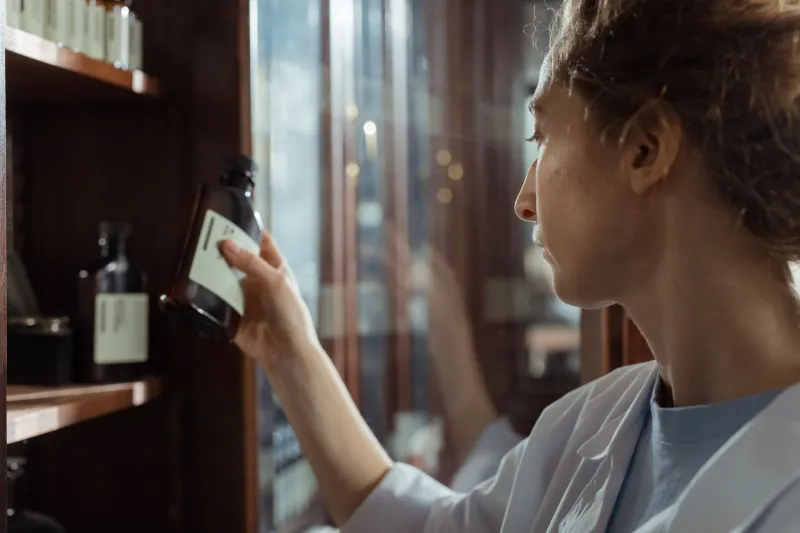
In Istanbul, long-term expats described something meaningfully different. The duty pharmacy system—in which one neighborhood pharmacy remains open and fully staffed around the clock on a rotating basis—creates an infrastructure where pharmacists routinely serve as a first point of clinical contact. They assess symptoms. They recommend courses of treatment. They refer patients to physicians when appropriate, and they do so with a directness and competence that repeatedly surprised American residents accustomed to being told to "see a doctor" for anything beyond a common cold.
Jennifer, a nonprofit director who has lived in Kadıköy for six years, described her initial skepticism dissolving over time: "The first few times I went to a duty pharmacy with something real—a sinus infection, a skin rash—I expected to be turned away and told to make an appointment somewhere. Instead, I got a thorough assessment and a clear recommendation. Sometimes a prescription, sometimes not. Always an explanation. I started to feel like I had a healthcare system that actually met me where I was."
The Overpacked Tourist vs. The Adapted Resident
The contrast between the typical American tourist's pharmaceutical kit and the long-term expat's medicine cabinet is instructive.
The tourist arrives prepared for every conceivable contingency: multiple pain relievers, sleep aids, anti-diarrheal medications, allergy pills, motion sickness patches, and enough prescription backup to last a month. This is understandable. Uncertainty breeds overpacking.
The adapted resident, by contrast, maintains a leaner cabinet precisely because they trust the system around them. They know where the nearest nöbetçi eczane is. They know that a pharmacist will be available at any hour. They know that whatever they need is almost certainly on the shelf, at a fraction of what it would cost in the United States, without requiring an insurance pre-authorization or a three-week wait for an appointment.
This is not complacency—it is calibrated confidence, earned through experience.
Practical Takeaways for Anyone Considering a Longer Stay
For Americans moving to Istanbul, or considering an extended stay of several months or more, the lessons from these ten expats converge on a few practical points.
First, do not assume you need to import everything. Research Turkish equivalents of your regular medications before you travel, and consult with a Turkish pharmacist early in your stay. The pharmacist at your local nöbetçi eczane is a legitimate clinical resource, not merely a cashier.
Second, give yourself permission to adapt. The anxiety of unfamiliarity fades quickly once you have a few positive interactions with the system. Most duty pharmacies in Istanbul's central districts have staff with at least functional English, and the Turkish Ministry of Health's regulatory standards are aligned with European norms.
Third, keep a record of what works. Several expats mentioned maintaining a simple note on their phone documenting Turkish product names that had proven effective, along with the generic compound name for cross-reference. This becomes invaluable when traveling between neighborhoods or explaining a product to a physician.
The Istanbul medicine cabinet of a long-term American resident is, in the end, a document of trust—trust in a system that has repeatedly demonstrated it can be relied upon, at any hour, in any neighborhood, without the bureaucratic friction that defines pharmaceutical access in the United States. For those willing to make the adaptation, it is a genuinely liberating shift.