8 Health Scares Americans Face Abroad That an Istanbul Duty Pharmacy Can Resolve Without an ER Trip
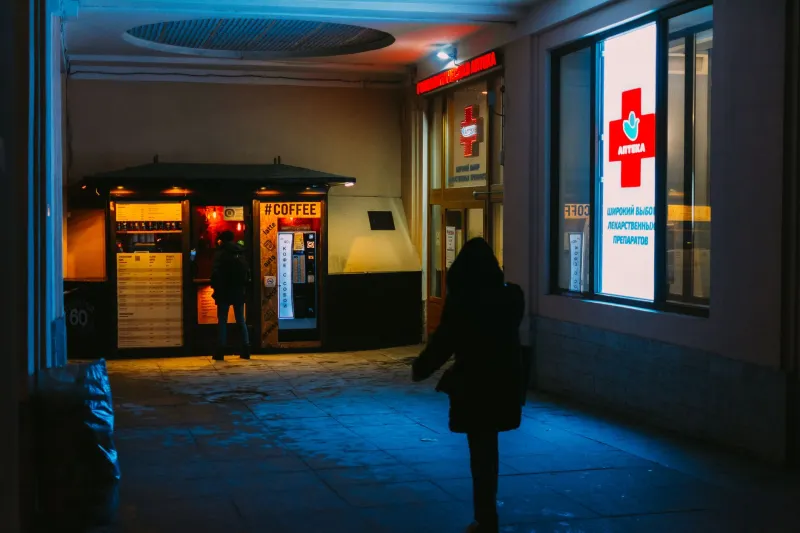
Traveling abroad with a health emergency is a uniquely disorienting experience. The protocols you know at home — call your doctor, drive to urgent care, head to the ER — don't map cleanly onto foreign systems, and the instinct to panic is understandable. Istanbul, however, offers something that genuinely levels the playing field for international visitors: a mandatory rotating network of 24-hour pharmacies, known as nöbetçi eczaneler, staffed by trained pharmacists with broader clinical authority than their American counterparts.
What follows is a practical breakdown of eight health situations that reliably send American travelers into crisis mode — and how Istanbul's duty pharmacy system handles each one with a competence that may surprise you.
1. Lost or Forgotten Insulin Supplies
For American travelers managing Type 1 or Type 2 diabetes, the prospect of arriving in a foreign city without adequate insulin is genuinely frightening. In the United States, obtaining insulin without a current, in-state prescription is an obstacle course that can take days to navigate.
In Istanbul, the situation is considerably more manageable. Common insulin formulations — including rapid-acting, long-acting, and combination insulins — are available at most nöbetçi eczaneler without a Turkish prescription, provided you can identify the medication by name or show the original packaging. Pharmacists are accustomed to this request from international visitors. Bring your vial, pen, or any documentation showing the specific formulation you use.
What to say: "İnsülin lazım — [brand or type name]." (I need insulin — [name].) Approximate cost: $8–$25 USD per vial or pen, depending on type, paid out of pocket. What to expect: A brief verification of the formulation and dosage, dispensed promptly.
2. A Urinary Tract Infection With No Doctor in Sight
Anyone who has experienced a UTI knows that waiting is not a comfortable option. In the United States, antibiotics for a UTI require a physician's prescription — which means a clinic visit, a urine culture order, and a wait that can stretch to 24–48 hours even under ideal conditions.
Istanbul pharmacists can and regularly do dispense appropriate antibiotic courses for uncomplicated UTIs following a brief symptomatic consultation. Fosfomycin, a single-dose antibiotic widely used for uncomplicated urinary tract infections, is commonly available and appropriate for many presentations.
What to say: Describe your symptoms clearly — burning urination, frequency, lower abdominal discomfort. The pharmacist will ask follow-up questions. Approximate cost: $5–$15 USD for a standard antibiotic course. What to expect: A clinical conversation, not a quick handoff. The pharmacist may ask about symptom duration and fever to rule out a more serious kidney involvement requiring physician referral.
3. A Severe Allergic Reaction (Non-Anaphylactic)
A significant allergic response — hives spreading across the torso, swelling around the eyes, intense itching — is terrifying in the moment, but when anaphylaxis is not present (no throat swelling, no difficulty breathing, no drop in blood pressure), it does not always require emergency care.
Istanbul pharmacies stock both oral and injectable antihistamines, as well as corticosteroids that can be dispensed for acute allergic responses. A pharmacist who assesses your symptoms as non-life-threatening can provide effective treatment on the spot, including an intramuscular injection if the oral route seems insufficient.
What to say: "Alerjik reaksiyon geçiriyorum." (I am having an allergic reaction.) Point to the affected areas. Approximate cost: $3–$12 USD for antihistamines; $10–$20 USD if injectable corticosteroids are involved. What to expect: A rapid visual assessment. If the pharmacist identifies any signs of anaphylaxis, you will be directed to emergency services immediately — they will not hesitate.
4. High Fever in a Child or Adult
A fever of 103°F (39.4°C) at 2 AM does not automatically constitute an emergency, but it feels like one. American parents traveling with children are often conditioned to seek medical evaluation for any elevated temperature, partly because pediatric-strength medications at appropriate dosages require guidance most American pharmacies don't provide over the counter.
Istanbul duty pharmacists will assess the fever context — duration, accompanying symptoms, patient age and weight — and provide appropriate antipyretics in correct dosing, including suppository formulations for children who cannot take oral medication. They will also clearly indicate when the fever pattern warrants a hospital visit.
What to say: State the patient's age, weight (for children), temperature, and how long the fever has been present. Approximate cost: $3–$8 USD for antipyretic medications. What to expect: A dosing calculation, clear instructions, and an honest assessment of whether home management is appropriate.
5. A Respiratory Infection With Productive Symptoms
American travelers who develop a productive cough, green or yellow mucus, and sinus pressure often know from experience that they have a bacterial infection requiring antibiotics — and they also know that getting a physician to agree with them quickly in the United States can be an exercise in frustration.
In Istanbul, a pharmacist who conducts a brief symptomatic assessment and concurs with a bacterial etiology can dispense an appropriate antibiotic course directly. This is not a loophole. It is standard practice.
What to say: Describe the color and consistency of mucus, duration of symptoms, and any fever. Approximate cost: $8–$20 USD for a typical antibiotic course. What to expect: A structured clinical conversation. If symptoms suggest viral origin, the pharmacist will recommend supportive care and explain why an antibiotic is not appropriate.
6. Acute Gastroenteritis and Dehydration
Traveler's diarrhea is common in any international destination, and severe gastroenteritis can lead to dehydration that becomes genuinely dangerous. Istanbul pharmacies are well-stocked with oral rehydration salts, antiemetics (anti-nausea medications), and motility agents that are available by prescription only in the United States.
What to say: "Mide bulantısı ve ishal var." (I have nausea and diarrhea.) Indicate severity and duration. Approximate cost: $4–$15 USD depending on the combination of treatments needed. What to expect: Guidance on rehydration protocol alongside appropriate medications. Severe dehydration with signs of systemic involvement will prompt a hospital referral.
7. Skin Infection or Wound That Has Become Inflamed
A cut or abrasion that has developed redness, warmth, and early signs of infection is something many Americans would take to urgent care. Istanbul pharmacists can evaluate mild to moderate skin infections, provide topical antiseptic treatment, and dispense appropriate oral antibiotics when the presentation warrants it.
What to say: Show the affected area directly. Indicate how long the inflammation has been present. Approximate cost: $5–$18 USD for topical and oral treatments combined. What to expect: A visual inspection. Spreading redness, fever, or lymph node involvement will result in a clear recommendation to seek physician care.
8. A Missed or Lost Prescription Medication for a Chronic Condition
Whether it is a blood pressure medication, an anxiety prescription, or a thyroid hormone replacement, running out of a chronic condition medication abroad is a situation most American travelers dread. Istanbul pharmacists, with the medication name and ideally the original packaging or a photograph of the label, can frequently dispense a short-term supply of maintenance medications to bridge the gap until a physician consultation can be arranged.
What to say: Provide the medication name, dosage, and frequency. Show any documentation you have. Approximate cost: Highly variable, but typically $10–$40 USD for a short-term supply. What to expect: A verification process and, in some cases, a recommendation to seek a physician for a formal prescription if the medication falls into a more tightly regulated category.
Finding Your Nearest Duty Pharmacy Tonight
The nöbetçi eczane system ensures that at least one pharmacy in each Istanbul district is open and fully operational at all times, every night of the year. The rotation changes daily, which is why knowing how to locate tonight's duty pharmacy in your specific neighborhood matters.
İstanbul Nöbetçi Eczane maintains an updated directory organized by district to help residents and visitors identify the nearest on-duty pharmacy without confusion. Before your next trip — or tonight, if the need is immediate — bookmark the resource. The situations described above are common, the solutions are genuinely accessible, and the pharmacists staffing Istanbul's duty eczaneler are prepared to help in ways that may redefine your expectations of what a pharmacy visit can accomplish.