Before You Board: Building a Pharmacy Passport That Turkish Duty Pharmacists Can Actually Use
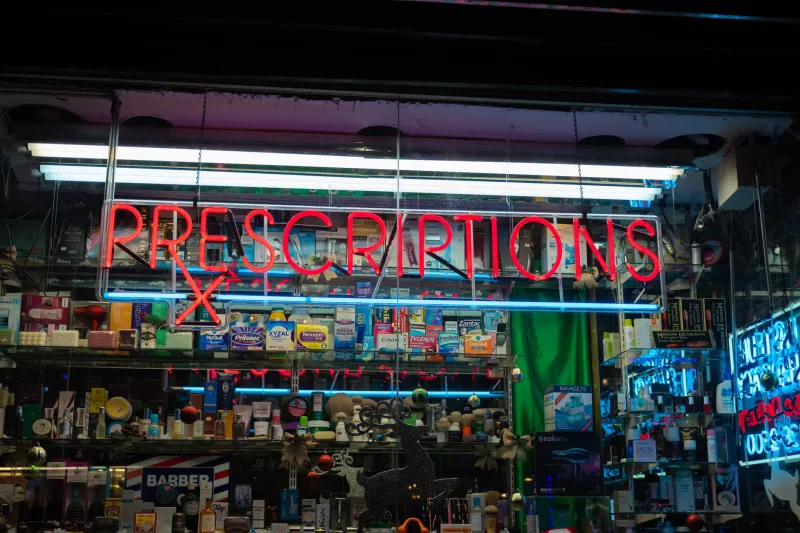
Most American travelers pack their carry-on with adapters, translation apps, and travel insurance cards. Few think to pack the one document that could matter most in a medical pinch: a concise, pharmacist-readable summary of their health profile. In Istanbul, where duty pharmacies operate around the clock under the rotating nöbetçi system, a well-prepared traveler can walk in at 2 AM and walk out with exactly what they need. An unprepared one may walk out empty-handed—not because the pharmacist lacks skill or willingness, but because the information gap is simply too wide to bridge.
This is the case for what we at İstanbul Nöbetçi Eczane call a pharmacy passport: a portable, organized health document designed specifically to communicate across language and system barriers.
What a Pharmacy Passport Actually Contains
Think of this document as a one-page medical résumé. It does not need to be elaborate. It needs to be precise. At minimum, your pharmacy passport should include:
- Generic drug names for every medication you take regularly or carry for emergencies
- Dosage and frequency for each medication (e.g., 10 mg once daily, not just "the small white pill")
- Known allergies, listed with the specific reaction, not just the allergen
- Chronic conditions stated in plain clinical language (hypertension, Type 2 diabetes, asthma)
- Relevant surgical or medical history that could affect treatment decisions
- Your blood type, if known
Keep this document in both digital and printed form. Store the digital version in a cloud folder you can access without Wi-Fi, and print two copies—one for your wallet, one in your checked bag.
Why Generic Names Are Non-Negotiable
This is the most critical piece of preparation any American traveler can make. The United States pharmaceutical market runs heavily on brand-name recognition. Patients are accustomed to asking for Tylenol, Advil, Ambien, or Zoloft. Turkish pharmacists, however, stock medications under their international nonproprietary names—the generic, chemical names recognized globally.
When you walk into an Istanbul duty pharmacy asking for "Advil," the pharmacist may or may not connect that immediately to ibuprofen. When you say ibuprofen, the transaction becomes instant. The same logic applies across the board:
- Tylenol → acetaminophen (sold in Turkey as paracetamol)
- Ambien → zolpidem
- Benadryl → diphenhydramine (note: formulations differ; ask specifically)
- Zoloft → sertraline
- Lipitor → atorvastatin
- Synthroid → levothyroxine
- Xanax → alprazolam
- Prilosec → omeprazole
Turkey's pharmaceutical market is well-stocked with European-manufactured generics, and many medications that require a prescription in the United States are available over the counter at Turkish pharmacies—or at minimum accessible with a brief consultation. Having the generic name eliminates ambiguity and dramatically reduces the chance of receiving the wrong product.
Photographing Your Existing Prescriptions the Right Way
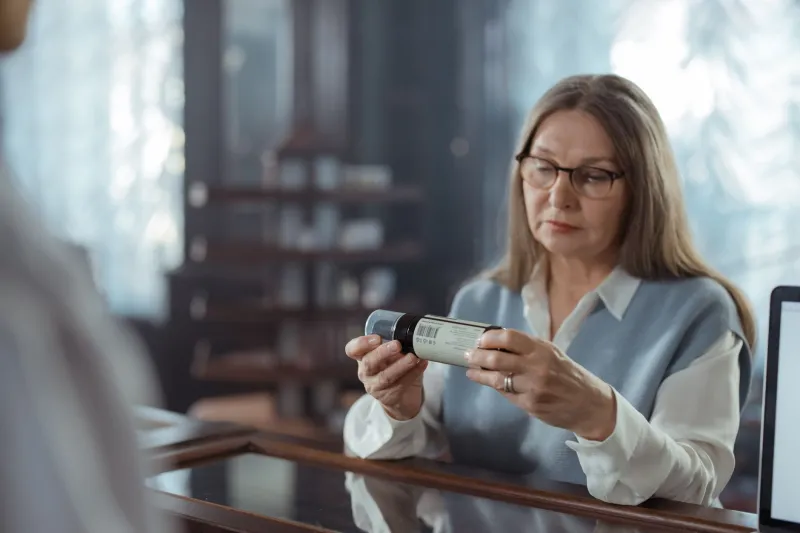
If you take prescription medications, photograph your pill bottles before you leave. But do this strategically. A blurry image of a label in dim bathroom lighting is not useful to anyone. Take clear, well-lit photographs that capture:
- The full medication name (brand and generic, if both appear)
- The prescribing physician's name
- The dispensing pharmacy's name and address
- The dosage instructions exactly as written
- The prescription number and fill date
Also photograph your insurance card—both sides—and any recent doctor's notes or discharge summaries that reference your current medications. Turkish pharmacists cannot process American insurance, but these documents serve as credibility anchors. They confirm you are a legitimate patient managing a documented condition, not someone attempting to obtain controlled substances without cause.
For travelers managing complex conditions—multiple sclerosis, epilepsy, cardiac arrhythmia, severe psychiatric diagnoses—consider asking your physician to write a brief letter summarizing your condition and current treatment plan. Have it translated into Turkish if possible, or at minimum into clear, jargon-free English that can be run through a translation app without distortion.
Allergy Documentation: Be Specific, Not General
Saying "I'm allergic to penicillin" is a starting point. Saying "I had anaphylaxis following amoxicillin administration in 2019, requiring epinephrine" is actionable clinical information. Turkish pharmacists are trained professionals—pharmacology graduates who complete rigorous national licensing requirements—and they respond to the same level of specificity their American counterparts would.
Document your allergies with the reaction type (rash, anaphylaxis, GI distress, angioedema) and the severity. If you carry an epinephrine auto-injector, note this in your passport and ensure you understand how to communicate its presence at customs, since auto-injectors are permitted but should be declared.
The Language Gap: What Translates Well and What Doesn't
Medical terminology, paradoxically, often translates better than everyday language. Latin-derived pharmaceutical terms are largely shared across European and Turkish medical traditions. Metric measurements (milligrams, milliliters) are universal. Clinical condition names in their standard form—hipertansiyon, diyabet, astım—are close enough to their English counterparts that a pharmacist will recognize them immediately.
What translates poorly: colloquial descriptions of symptoms ("my stomach is off," "I feel weird"), vague medication nicknames, and American-specific dosage conventions that differ from metric norms. Avoid these in your pharmacy passport entirely. Write clinically, even if it feels overly formal.
Several translation apps now offer offline medical dictionaries. Download one before departure and test it with a few of your medications. Google Translate's camera function can also read printed Turkish labels in real time, which is useful when a pharmacist is showing you a product and you want to verify the active ingredient.
A Format That Works in Practice
Your pharmacy passport does not need to be a formal document. A well-organized notes app entry or a single laminated index card can serve the same function. What matters is that the information is organized, legible, and complete. Consider structuring it as follows:
Name: [Your full name]
Date of Birth: [DOB]
Blood Type: [If known]
Emergency Contact: [Name and international phone number]
Current Medications:
[Generic name] — [Dose] — [Frequency] — [Condition it treats]
Allergies:
[Substance] — [Reaction type] — [Severity]
Medical Conditions:
[Condition] — [Diagnosed] — [Currently managed with above medications]
Additional Notes:
[Surgical history, implants, devices, or anything a pharmacist should know before recommending a product]
The Difference Between Getting Help and Going Without
Istanbul's duty pharmacists are genuinely committed to assisting patients who arrive outside standard clinic hours. They are not gatekeepers; they are healthcare providers operating within a system designed for accessibility. But their ability to help scales directly with the quality of information you bring them.
A traveler who arrives with a clear pharmacy passport, photographed prescription labels, and generic drug names written in plain text is a traveler who gets helped. The preparation takes thirty minutes at home. The payoff, if you ever need it at midnight in Beyoğlu or Kadıköy, is immeasurable.
Prepare before you board. Your Istanbul pharmacist will thank you—and so will your future self.